Niche apps and small communities: where AI genuinely helps and where it spoils the fun
Not every app is a platform with a million users. Some of the best things we built serve a small community with a big passion: Family Tree System for bilingual genealogy, Petology for animal shelters and adoption, Fly‑Fl…

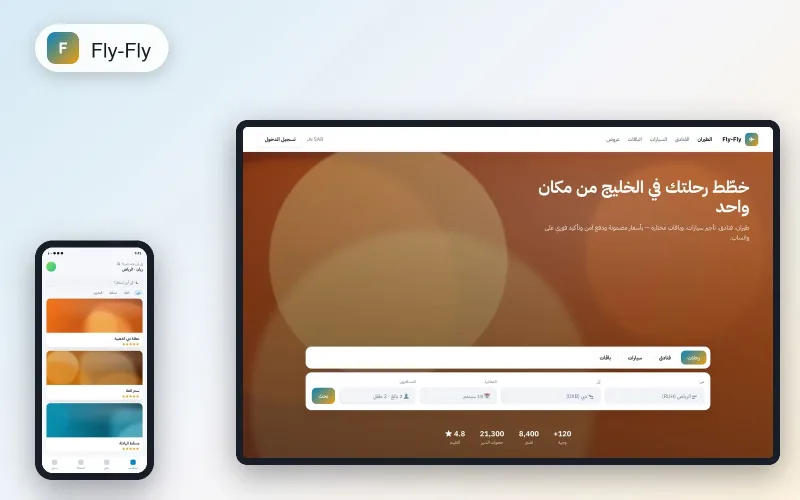
Not every app is a platform with a million users. Some of the best things we built serve a small community with a big passion: Family Tree System for bilingual genealogy, Petology for animal shelters and adoption, Fly‑Fly for Gulf tourism, Career Scale for students’ vocational interests, MyCareer for jobs and freelancing, Arpahak for earnings and contests, and Inearby and GameWise for entertainment. In every one we asked: does AI add value here, or noise?
Where it clearly helped
Family tree: reading old documents
What slows genealogy most is the documents: photos of handwritten registers, Hijri dates, names in different spellings. A model reads the image and proposes the entry (name, date, relation) with a confidence score, and the user confirms. Five times faster, and more accurate because the human reviews instead of typing.
Animal shelters: honest matching
In Petology, matching an animal with a family is not a “product recommendation”. A model assesses how the family’s lifestyle (space, children, time) fits the animal’s needs, and says plainly “this dog needs more than you can give”. The return rate after adoption fell — the only number that matters.
Vocational interests: the explanation matters more than the result
Career Scale offers students an interactive assessment. AI does not decide “you are an engineer”; it explains the result in language a sixteen-year-old and their parents understand, and proposes exploration steps. The human career counsellor stays in the picture, with a clearer report.
Where we nearly spoiled the fun
- GameWise: auto-generated trivia questions were “correct” and dull. Questions written by people, with the model reviewing only for accuracy, are what kept players.
- Inearby: suggesting “potential friends” nearby felt creepy to users. The most useful smart feature was simpler: cheat detection in live sessions.
- Arpahak: on an earnings-and-contests platform, any “intelligence” touching prize distribution must be fully explainable. We chose explicit rules over opaque models.
In small communities, trust is the product. A smart feature that lowers trust by 1% loses more than it gains.
Tourism and freelancing: intelligence in the background
In Fly‑Fly (hotels, flights, cars, packages) AI works backstage: aggregating offers, spotting date conflicts, and translating hotel descriptions naturally. The traveller sees no “AI”; they see a tidy trip. In MyCareer, job-to-profile matching is improved by a model, but the first message to a candidate is written by a person — because nobody wants to be hired through a template.
A rule we apply to every niche app
- Start from the community’s biggest pain, not the flashiest feature.
- Put the human at the confirmation point, not the input point.
- Make every automated decision explainable in one sentence.
- Measure what matters to the community (an animal that stayed home, a student who found a path), not what matters to the growth dashboard.