Project Astra and the assistant that never closes: what the “camera that understands” means for your apps
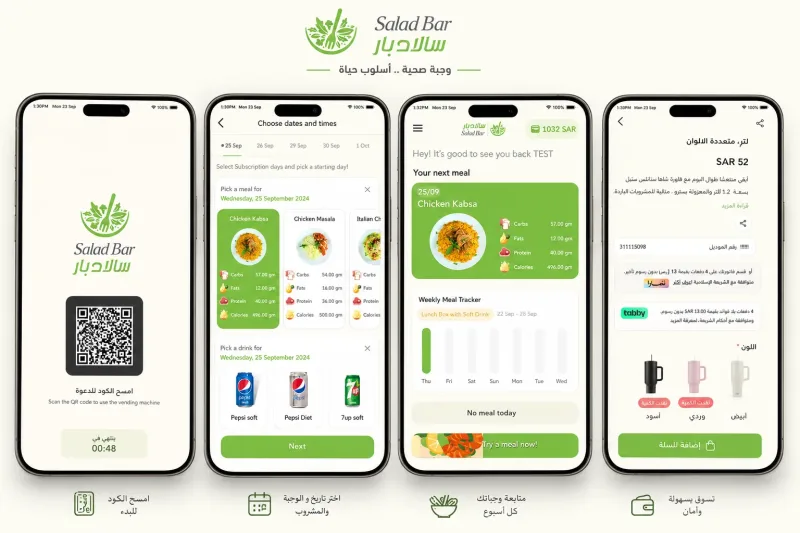
Imagine pointing your phone camera at a salad vending machine and hearing: “This machine accepts Apple Pay, and the lowest-calorie option is the third from the left.” That is not fantasy; it is what Google’s Project Astr…

Imagine pointing your phone camera at a salad vending machine and hearing: “This machine accepts Apple Pay, and the lowest-calorie option is the third from the left.” That is not fantasy; it is what Google’s Project Astra experiments and their peers promise: an assistant that sees, hears, remembers and acts, in real time, on the device in your hand.
From “the app” to “the presence”
For two decades the unit of value was the app: an icon you open, a screen you navigate. The multimodal assistant breaks that unit. The user will not “open” the Salad Bar app to buy a salad; they will ask their assistant, and the assistant will negotiate with your service. The strategic question for every product company: can your service be invoked by an agent rather than a human?
Three categories of apps affected first
- Proximity entertainment: an app like Inearby, which gathers nearby iPhone users into a live game, gets stronger when the assistant is the one suggesting “four people around you are playing right now”.
- Knowledge games: the GameWise trivia platform will compete with an assistant that can ask a fun question at any moment — or integrate with it and become the source of the questions.
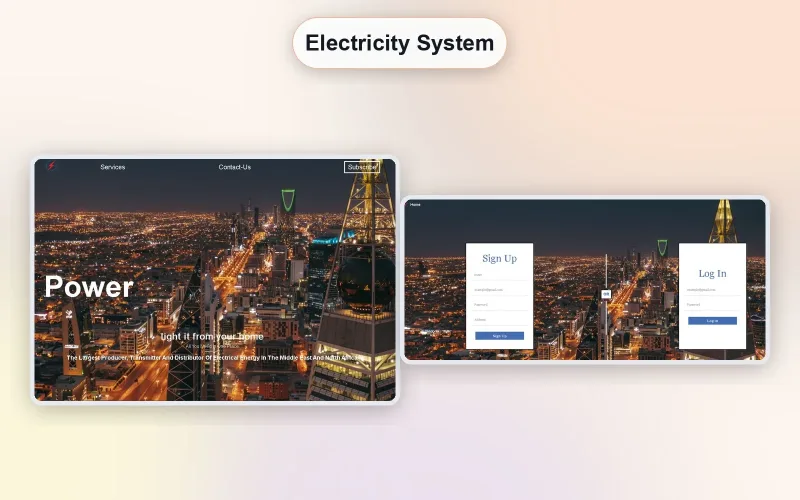
- Field services: when the assistant sees and reads an electricity meter, the philosophy of systems like Electricity System shifts from “manual entry” to “verify a machine reading”.
What you should build today
- A clean, documented API — agents do not read your screens, they read your contracts.
- Delegable identity and payment — how does an agent pay on the user’s behalf within clear limits?
- Real-time data — an assistant that says “the machine is empty” after you arrive is useless.
In the age of the always-on assistant, the best user interface is the one the user never needs to see.
The other side: privacy and attention
An always-open camera means always-open data. The Arab region is moving fast towards data-protection law (Saudi PDPL being the model), and any product riding the assistant wave must build explicit consent and retention limits from day one — not as a later patch.
Takeaway for decision makers
Do not rewrite your app to become “an assistant”. Make your app a service any assistant can easily call. The winner in this era is not the one with the prettiest screen, but the one with the clearest contract.