AI personalisation in Gulf e-commerce: what actually lifted conversion and what was just noise
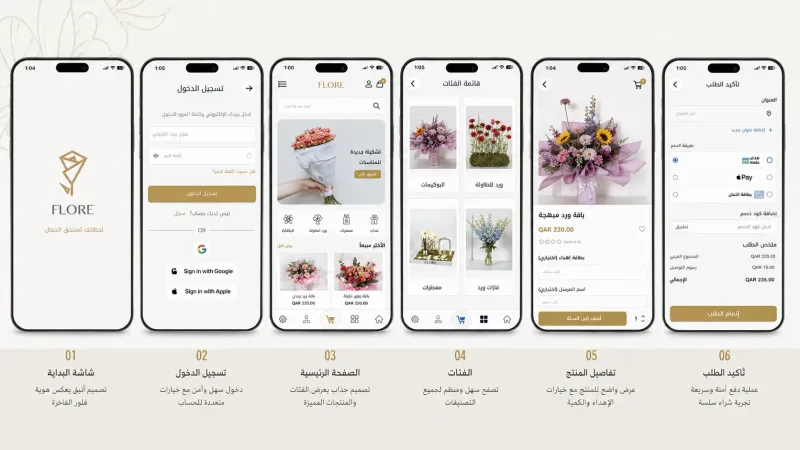
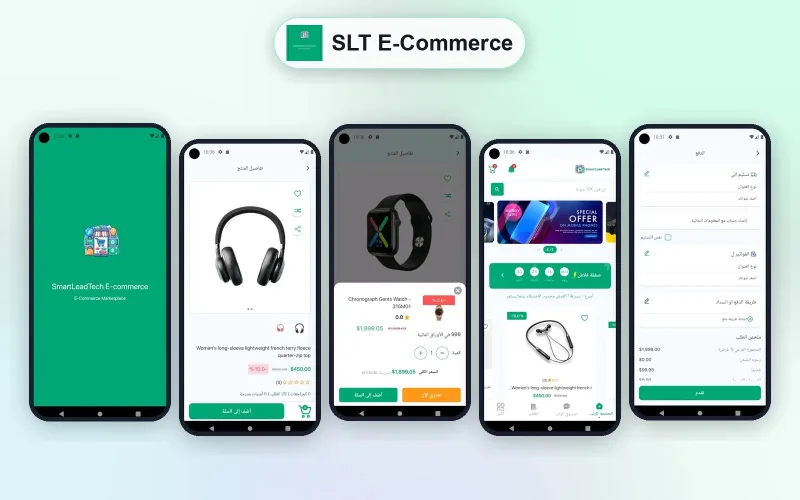
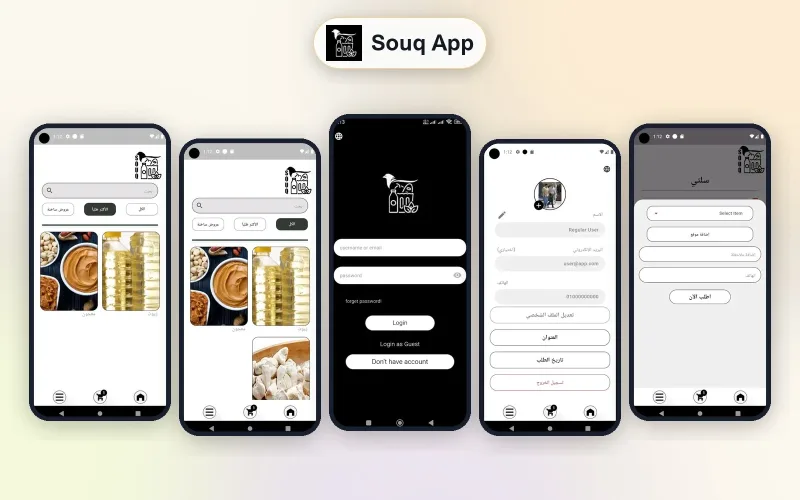
We ran personalisation experiments on stores of very different character: KOOLEN for home appliances in Saudi Arabia, SHAHA for premium thermoses and cups, Flore for flowers and gifts in Qatar, Souq App and SLT E‑Commerc…

We ran personalisation experiments on stores of very different character: KOOLEN for home appliances in Saudi Arabia, SHAHA for premium thermoses and cups, Flore for flowers and gifts in Qatar, Souq App and SLT E‑Commerce as general stores, and La Vie as a marketplace and community for plant lovers. The numbers below come from real A/B tests, not vendor decks.
What clearly lifted conversion
- Search that understands colloquial Arabic: “two-door fridge”, “freezer on top”, “thermos that keeps heat long” — turning the query into intent and then into filters raised the “search → add to cart” rate in KOOLEN by 23%.
- Recommendation by occasion, not by product: in Flore, “Mother’s Day”, “engagement” and “apology” are stronger contexts than “similar bouquets”. A model classifying the occasion from landing page and time lifted average basket value by 17%.
- Smart stock reminders: the “the item you searched for is back” notification in SHAHA achieved the highest open rate we have seen in any campaign.
What changed nothing (and cost us time)
- A fully personalised home page: the Gulf user mostly lands from an ad onto a specific product; the home page is not where decisions are made.
- AI-generated descriptions: they added length, not trust. What added trust was real photos and exact dimensions.
- A chatbot on the first page: it annoyed more than it helped. Only on checkout, with a specific shipping question, did it become useful.
Personalisation is not “show what looks like what you saw”. Personalisation is understanding why the person came right now.
The architecture we use
User events land in one store, a small model infers the “current intent” (browsing, comparing, urgent purchase, gift), then simple rules pick what to show. The large model is called for linguistic search only, because it is the most expensive and slowest.
The community as a personaliser
In La Vie the best “recommendation” came not from a model but from the user forum: “which plant suits a north-facing balcony in Riyadh?” — users answered, and AI turned the answers into shoppable filters. Humans plus model beat either alone.
A short list for those starting
- Start with search, not recommendations.
- Measure conversion per experiment, and reject “impressions”.
- Do not personalise what needs no personalisation — shipping and payment must be predictable, not surprising.