SaaS pricing in the Gulf and Egypt: what the WhatsApp Suite, TtaKkaa and Cash Salon plans taught us about riyals, pounds and value
Pricing is the product decision we revisit most. We run three subscription systems — WhatsApp Suite (messages and sessions), TtaKkaa POS (stores and branches), Cash Salon (bookings and staff) — across two currencies and …

Pricing is the product decision we revisit most. We run three subscription systems — WhatsApp Suite (messages and sessions), TtaKkaa POS (stores and branches), Cash Salon (bookings and staff) — across two currencies and two buying cultures. These are the lessons after two years of changing the numbers.
Lesson 1: price in a unit the customer understands from their own work
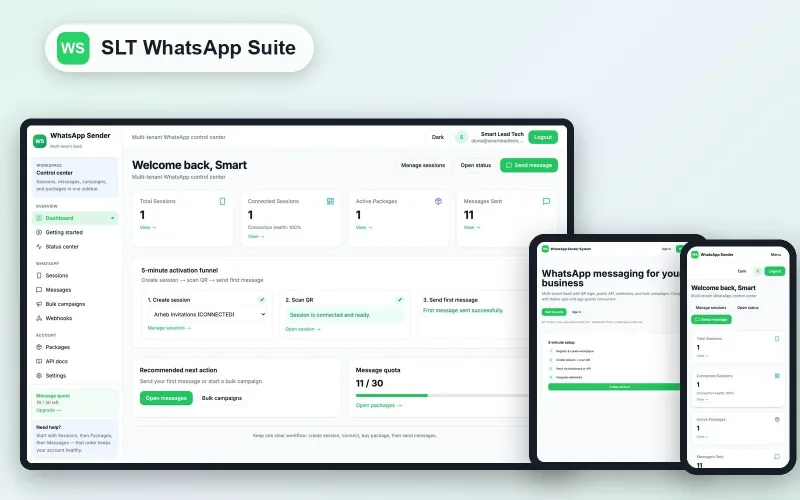
In WhatsApp Suite we tried “per user” and sales stalled; a shop owner does not think in users but in messages and WhatsApp numbers. Plans are now messages per month + sessions (numbers). In TtaKkaa: branches and POS terminals. In Cash Salon: staff members. The rule: the unit the customer already counts in their head.
Lesson 2: the free trial must reach “the moment”
30 free messages in WhatsApp Suite is not generosity; it is exactly what a merchant needs to send their first real booking confirmation to a customer and see the reply. Those who reached that moment converted at 4× the rate of those who did not. Design the trial around the value moment, not the number of days.
Lesson 3: Egypt and the Gulf are two markets with different numbers and one logic
- Egypt: high price sensitivity, payment in pounds, competition from global tools priced in dollars. WhatsApp Suite plans in EGP from 149 to 2,999 are designed to undercut the international competitor after conversion, with an “unlimited OTP” plan because market demand was obvious.
- The Gulf: lower price sensitivity, higher sensitivity to support and compliance (e-invoicing, full Arabic, official WhatsApp). The top plan sells more when it includes “an account manager”, not when it includes “more features”.
Do not price by converting from dollars. Price by local value, then check the number does not look odd in the customer’s currency.
Lesson 4: quotas are enforced in code, not on trust
The quota guard in WhatsApp Suite blocks sending beyond the plan and blocks creating an extra session — politely, with an explanatory message. When limits were a “warning”, 30% of customers paid less than they consumed. When they became code, upgrades rose 22% without a single complaint, because the message was clear: “you reached the limit — upgrade now or wait for next month”.
Lesson 5: annual wins when tied to something tangible
“Save two months” convinced nobody. “Annual plan + free e-invoicing setup” in TtaKkaa tripled annual subscriptions. A discount is a number; a service is value.
Lesson 6: redeem and referral codes are the cheapest acquisition channel
The WELCOME100 code and referral codes in WhatsApp Suite brought 40% of new customers in the first quarter at zero ad spend. A merchant trusts a merchant.
Bottom line
Good pricing is not clever; it is understood. A unit the customer counts, a trial that reaches value, local numbers, quotas in code, and annual tied to a service. We changed the numbers ten times — and will again — but these principles held.