Real Estate Digital Transformation in GCC & Egypt: Q&A for CTOs and Business Owners
This Week's NewsThe past week witnessed a series of significant developments in the real estate and technology landscape across the GCC and Egypt, underscoring the accelerating pace of digitalization and the pressing nee…

This Week's News
The past week witnessed a series of significant developments in the real estate and technology landscape across the GCC and Egypt, underscoring the accelerating pace of digitalization and the pressing need for innovative software solutions. In Saudi Arabia, the General Authority for Real Estate and the Ministry of Justice announced the exclusive digital execution of real estate transactions in Hail and several cities in the Eastern Province via the Real Estate Registry, starting September 22, 2026 (according to Okaz newspaper). This transformation encompasses property transfer, subdivision, separation, merger, and registration of paper deeds, enhancing data reliability and driving a more transparent and efficient real estate environment.
In the United Arab Emirates, Etihad Airways and Etihad Rail signed a Memorandum of Understanding to explore opportunities for developing an integrated and seamless travel experience combining air and rail transport, aiming to enhance connectivity between Zayed International Airport and Mohammed Bin Zayed City Passenger Station (according to Al Khaleej newspaper). This partnership opens doors for integrated booking platforms that demand robust software infrastructure.
Meanwhile, in the Arab Republic of Egypt, reports warned that the true cost of purchasing an apartment exceeds the monthly installment, due to additional fees ranging from 2% to 5% of the property value, in addition to post-handover expenses (according to Al Arabiya). Concurrently, the CEO of Egypt's Social Housing and Real Estate Finance Fund revealed details of new offerings for 30,000 fully finished units for middle-income individuals, with real estate financing at 12% interest, and plans for a new offering at 8% (according to Sada El Balad). These announcements coincided with urgent calls for a review of Egypt's real estate financing system to alleviate burdens on the market (according to Cairo 24) and a demand for the Central Bank to intervene to support the sector and protect citizens' investments (according to Al Masry Al Youm).
What Do These Developments Mean for Your Business in the GCC and Egypt?
These news items are not just fleeting headlines; they are strong indicators of profound shifts in the real estate and financial sectors, creating both opportunities and challenges for CTOs and business owners. Let's discuss some questions that might be on your mind:
Q1: How can my company benefit from Saudi Arabia's real estate digitalization?
With real estate transactions being exclusively digitalized in regions like Hail and the Eastern Province (according to Okaz), there is a growing demand for specialized software solutions. Your company can focus on developing:
- Digital Real Estate Registry Management Systems: To streamline property transfer, subdivision, and merger processes.
- Electronic Documentation Platforms: To ensure compliance with new government standards and data reliability.
- Transaction Tracking Applications: To provide transparency and ease for citizens and investors.
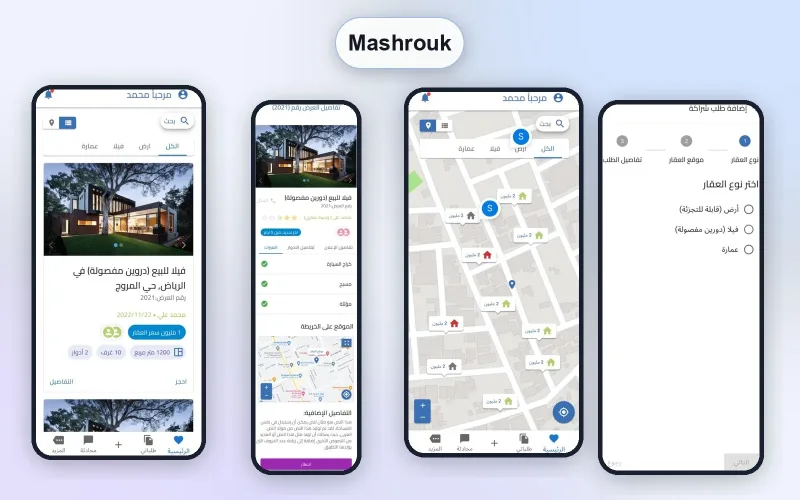
These systems are not just tools; they are essential infrastructure supporting the government's drive towards full sector digitalization. At Smart Lead Tech, we build such platforms, leveraging our expertise in integrating with Saudi government systems, similar to what we built for the Mashrouk co-investment platform.
Q2: What opportunities do major partnerships like Etihad Airways and Etihad Rail present?
The partnership between Etihad Airways and Etihad Rail to explore an integrated travel experience (according to Al Khaleej) highlights the importance of integrated platforms. If your company operates in the services, tourism, or even real estate sectors (linked to travel), consider developing:
- Unified Booking Platforms: Combining multiple services (flights, trains, accommodation) with a seamless user experience.
- Data Management and Logistics Solutions: To improve coordination between different services.
- Smart Traveler Applications: Allowing users to easily plan their multimodal journeys.
These platforms can also be beneficial for real estate developers targeting international buyers or tourists seeking long-term stays, by integrating their offerings with comprehensive travel services.
Q3: How can software address the hidden costs of real estate financing in Egypt?
Warnings about additional costs exceeding the monthly installment for apartment purchases in Egypt (according to Al Arabiya) present a significant opportunity for software companies to provide solutions that enhance transparency. Your company can develop:
- Transparent Real Estate Financial Platforms and Applications: Displaying all total costs (appraisal fees, title search, processing, notarization, registration, maintenance, insurance, utilities).
- Smart Calculators: Helping buyers accurately estimate costs before committing.
- Financing Comparison Tools: Allowing transparent comparison of different bank offers.
This type of transparency builds trust and reduces unpleasant surprises for customers, which is crucial in a market like Egypt, seeing new housing offerings with 12% and 8% financing (according to Sada El Balad).
Q4: What is the role of technology in supporting new housing initiatives and addressing real estate financing challenges in Egypt?
With 30,000 new apartments for middle-income individuals and urgent calls for a review of Egypt's real estate financing system (according to Cairo 24 and Al Masry Al Youm), there is a critical need for technology to both support government initiatives and address shortcomings. Your company can contribute by:
- Specialized Customer Relationship Management (CRM) Systems: For real estate developers and housing funds, to manage applications and track unit status.
- Real Estate Financing Management Platforms: Facilitating communication between banks, developers, and customers, and streamlining financing procedures.
- Electronic Portals for Citizens: To apply for units, monitor application status, and make electronic payments.
- Advanced Data Analytics Tools: To assess risks and provide flexible repayment options tailored to customers' financial capabilities, as advocated by Senator Tamer Abdel Hamid (according to Cairo 24).
“Digital transformation is not a luxury; it has become an absolute necessity to ensure transparency, efficiency, and sustainable growth in the real estate sector, especially with increasing market complexities and customer expectations.”
Q5: How can my company ensure compliance with evolving government standards?
With the accelerating pace of regulatory changes, especially in Saudi Arabia and Egypt, compliance becomes a real challenge. Your company should focus on building flexible and adaptable solutions, with the ability to:
- Seamlessly integrate with government platforms: Such as the Saudi Real Estate Registry and Egyptian housing funds.
- Rapidly update systems: To keep pace with any amendments in regulations or interest rates.
- Provide accurate reports and data: To support auditing and compliance processes.
This is where partnering with a specialized software company like Smart Lead Tech, which has experience in building robust and flexible systems capable of adapting to the region's changing regulatory environments, proves invaluable.
Practical Recommendation: Move Towards Integrated Solutions Now
The opportunities in the real estate and financial sectors are clear and tangible. If you are a business owner or a CTO, the time has come to re-evaluate your digital strategy. Do not settle for partial solutions; instead, start thinking about a comprehensive system that addresses challenges from their roots and capitalizes on emerging opportunities. Whether it's building platforms for digitalizing real estate transactions, developing tools for financing transparency, or enhancing customer experience, investing in the right technology today is the key to your success tomorrow.